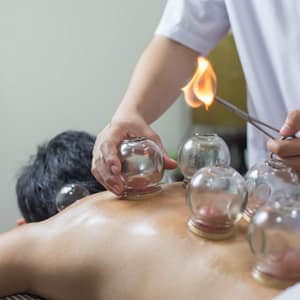

Introduction: What is Acupuncture and How Does It Work?
Acupuncture is a traditional Chinese medicine practice that has been used for thousands of years to promote healing and balance in the body. The technique involves the insertion of thin needles into specific points on the body, known as acupuncture points. Acupuncture is based on the idea that the body has energy pathways, or meridians, that can become blocked or disrupted, leading to pain and illness. By stimulating the acupuncture points, acupuncture aims to restore the flow of energy and promote healing.
How Acupuncture Works
There are several theories on how acupuncture works, but researchers believe that it may work by affecting the nervous system and releasing natural painkillers and other chemicals in the body. Acupuncture may also stimulate blood flow and the immune system, helping to promote healing.
Acupuncture works by targeting specific acupuncture points on the body. These points are located along energy pathways or meridians, that correspond to specific organs and body systems. Each acupuncture point is believed to have a different function, and the selection of points is based on the individual’s specific condition and symptoms.
During an acupuncture session, the acupuncturist will insert thin needles into the selected acupuncture points. The needles are left in place for a period of time, usually between 10 and 30 minutes. The needles may be stimulated by gentle twisting or tapping or may be attached to an electrical device that delivers a small current to the needles.
Is Acupuncture Safe?
Acupuncture is generally considered safe when performed by a licensed and trained practitioner. The needles used in acupuncture are sterile and disposable, and the practitioner will follow strict hygiene protocols to prevent infection.
Some people may experience mild side effects from acupuncture, such as bruising, soreness, or bleeding at the site of the needle insertion. These side effects are usually minor and resolve quickly.
Acupuncture is not recommended for everyone. People with bleeding disorders or those taking blood-thinning medication may be at increased risk of bleeding or bruising from acupuncture. Acupuncture may also not be suitable for people with certain medical conditions, such as epilepsy or a pacemaker.
It is important to talk to your healthcare provider before trying acupuncture, especially if you have any medical conditions or are taking any medications.
What Can Acupuncture Treat?
Acupuncture has been shown to be effective for a wide range of conditions, including:
- Pain conditions, such as back pain, neck pain, and arthritis
- Digestive disorders, such as irritable bowel syndrome (IBS) and acid reflux
- Headaches and migraines
- Insomnia and other sleep disorders
- Anxiety and depression
- Addiction recovery
- Acupuncture may also be helpful for treating other conditions, such as infertility, menstrual cramps, and allergies.
The Benefits of Acupuncture: How it Can Help with Different Health Conditions
Acupuncture is a traditional Chinese medicine practice that involves the insertion of thin needles into specific points on the body, known as acupuncture points. The technique is believed to promote healing and balance in the body by restoring the flow of energy along energy pathways, or meridians. While acupuncture has been used for thousands of years to treat a wide range of health conditions, recent research has shed light on its potential benefits for various health conditions. In this article, we will explore some of the potential benefits of acupuncture.
Pain Management
Acupuncture has been shown to be an effective therapy for managing pain. It is commonly used to treat chronic pain conditions such as back pain, neck pain, and arthritis. Acupuncture may work by stimulating the release of natural painkillers, such as endorphins, and by blocking pain signals in the nervous system. Acupuncture has also been shown to be effective in reducing the need for pain medication in people with chronic pain.
Digestive Disorders
Acupuncture may be helpful for treating digestive disorders, such as irritable bowel syndrome (IBS) and acid reflux. In one study, acupuncture was shown to be effective in reducing symptoms of IBS, such as abdominal pain and bloating. Acupuncture may work by regulating the digestive system and reducing inflammation in the gut.
Acupuncture needles are very thin and do not typically cause pain or bleeding when inserted. However, you may feel a slight prick or pinch as the needle is inserted. If you experience any discomfort during the session, you should let your acupuncturist know, as they may be able to adjust the placement or depth of the needles to make you more comfortable.
Your acupuncturist may also manipulate the needles by gently twisting or rotating them, or by applying heat or electrical stimulation. This manipulation is believed to further stimulate the acupuncture points and enhance the therapeutic effect of the treatment.
Headaches and Migraines
Acupuncture has been shown to be effective in reducing the frequency and severity of headaches and migraines. Acupuncture may work by stimulating the release of natural painkillers and by reducing muscle tension in the neck and shoulders. Acupuncture may also help to regulate blood flow to the brain and reduce inflammation, which can contribute to headaches and migraines.
Anxiety and Depression
Acupuncture may be helpful for managing symptoms of anxiety and depression. In one study, acupuncture was shown to be effective in reducing symptoms of depression and anxiety in women with postpartum depression. Acupuncture may work by stimulating the release of neurotransmitters, such as serotonin and dopamine, which are involved in regulating mood.
Insomnia and Sleep Disorders
Acupuncture may be helpful for managing insomnia and other sleep disorders. Acupuncture may work by regulating the nervous system and promoting relaxation. In one study, acupuncture was shown to be effective in improving sleep quality and reducing the need for sleep medication in people with insomnia.
Infertility
Acupuncture may be helpful for couples struggling with infertility. Acupuncture may work by regulating the menstrual cycle and improving blood flow to the reproductive organs. In one study, acupuncture was shown to be effective in increasing pregnancy rates in women undergoing in vitro fertilization (IVF).
How to Choose an Experienced Acupuncturist for Your Treatment Needs
Acupuncture is a complementary therapy that has been used for centuries to promote healing and wellness. If you are considering acupuncture as part of your healthcare regimen, it is important to choose an experienced acupuncturist who can provide safe and effective treatment. Here are some tips to help you choose an experienced acupuncturist for your treatment needs.
- Look for a Licensed and Certified Acupuncturist - The first step in choosing an experienced acupuncturist is to look for someone who is licensed and certified. In the United States, acupuncturists must be licensed in the state where they practice. You can check with your state's acupuncture board to verify an acupuncturist's credentials.
- Check Their Experience and Credentials - Once you have verified an acupuncturist's license and certification, you should check their experience and credentials. Look for an acupuncturist who has several years of experience and who has treated patients with conditions similar to yours. You can ask for references or read reviews from other patients to get an idea of their experience.
- Consider Their Communication Skills - A good acupuncturist should be able to communicate effectively with their patients. They should take the time to listen to your concerns and explain the treatment plan in a way that is easy to understand. A good acupuncturist should also be open and honest about the risks and benefits of treatment.
- Look for a Clean and Safe Treatment Environment - Acupuncture involves the use of needles, so it is important to choose an acupuncturist who practices in a clean and safe environment. Look for an acupuncturist who follows proper hygiene practices, such as using new needles for each patient and using alcohol to clean the skin before inserting the needles.
- Consider Their Availability and Accessibility - Finally, you should consider an acupuncturist's availability and accessibility. Look for an acupuncturist who is available to schedule appointments at times that are convenient for you. You should also consider their location and whether it is easy for you to get to their office.
Conclusion
Acupuncture is a safe and effective therapy that can be used to promote healing and balance in the body. While it may not be suitable for everyone, acupuncture has been shown to be effective for a range of conditions and may be worth considering for those seeking a natural and holistic approach to healthcare. It is important to seek acupuncture treatment from a licensed and trained practitioner and to talk to your healthcare provider before trying acupuncture.