
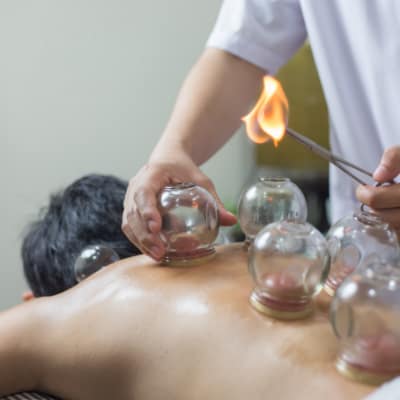
Acupuncture is a traditional Chinese medicine technique that has been around for thousands of years. The practice involves the insertion of thin needles into specific points on the body to promote healing and restore balance. While acupuncture is commonly used for pain relief, it has also been shown to be effective for a range of other conditions. In this article, we’ll explore the potential health benefits of acupuncture and what it can treat.
Pain Relief
Acupuncture is perhaps best known for its ability to provide pain relief. The practice has been shown to be effective for a range of pain conditions, including back pain, neck pain, and arthritis. Acupuncture may work by stimulating the release of endorphins, the body’s natural painkillers, or by increasing blood flow to the affected area. Research has also shown that acupuncture can alter the way the brain perceives pain, leading to a reduction in pain perception.
Allergies
Acupuncture has been shown to be effective in relieving the symptoms of seasonal allergies, including runny nose, itchy eyes, and congestion. It may work by reducing inflammation and boosting the immune system. Acupuncture can also be helpful for treating other allergic conditions, such as asthma and eczema.
Anxiety and Depression
Acupuncture may be helpful for reducing symptoms of anxiety and depression by stimulating the release of neurotransmitters such as serotonin and dopamine, which are involved in mood regulation. In addition to acupuncture, other traditional Chinese medicine techniques, such as cupping and herbal remedies, may also be used to treat anxiety and depression.
Digestive Disorders
Acupuncture has been shown to be effective for a range of digestive disorders, including irritable bowel syndrome (IBS), acid reflux, and nausea. It may work by reducing inflammation and regulating the digestive system. Acupuncture can also be helpful for treating other conditions that affect the digestive system, such as constipation and diarrhea.
Headaches and Migraines
Acupuncture has been shown to be effective in reducing the frequency and severity of headaches and migraines. It may work by reducing muscle tension and improving blood flow to the brain. Acupuncture can also be helpful for treating other types of headaches, such as tension headaches and cluster headaches.
Insomnia
Acupuncture may be helpful for treating insomnia, or difficulty sleeping. It may work by regulating the body’s circadian rhythm, which is the internal clock that regulates sleep and wake cycles. Acupuncture can also be helpful for treating other sleep disorders, such as sleep apnea and restless leg syndrome.
Infertility
Acupuncture may be helpful for treating infertility by regulating hormone levels and improving blood flow to the reproductive organs. It may also reduce stress and anxiety, which can interfere with fertility. Acupuncture can be used in conjunction with other fertility treatments, such as in vitro fertilization (IVF), to improve their effectiveness.
Menopausal Symptoms
Acupuncture may be helpful for reducing the symptoms of menopause, such as hot flashes, night sweats, and mood swings. It may work by regulating hormone levels and reducing inflammation. Acupuncture can also be helpful for treating other hormonal imbalances, such as polycystic ovary syndrome (PCOS) and thyroid disorders.
Smoking Cessation
Acupuncture may be helpful for those trying to quit smoking by reducing cravings and withdrawal symptoms. It may also help reduce stress and anxiety, which can trigger smoking behavior. Acupuncture can be used as a standalone treatment or in conjunction with other smoking cessation techniques, such as nicotine replacement therapy.
Acupuncture is an ancient healing technique that has been used for centuries to treat a variety of health conditions. It involves the insertion of thin needles into specific points on the body to stimulate the flow of energy or Qi. Acupuncture is believed to help restore balance to the body and promote natural healing.
While acupuncture is often associated with the treatment of pain, it can actually be used to address a wide range of health conditions. In this article, we’ll explore the potential health benefits of acupuncture and what it can treat
Pain Management
One of the most well-known uses of acupuncture is for pain management. Acupuncture can help relieve pain associated with a variety of conditions, including:
- Arthritis: Acupuncture has been shown to help reduce pain and improve function in people with osteoarthritis and rheumatoid arthritis.
- Headaches and migraines: Acupuncture can help reduce the frequency and intensity of headaches and migraines.
- Back pain: Acupuncture is often used as a complementary therapy for lower back pain, and has been shown to be effective in reducing pain and improving function.
- Fibromyalgia: Acupuncture can help reduce pain and improve the quality of life in people with fibromyalgia.
Digestive Issues
Acupuncture can also be used to treat digestive issues such as:
- Irritable bowel syndrome (IBS): Acupuncture has been shown to help reduce symptoms of IBS, including abdominal pain, bloating, and constipation.
- Acid reflux: Acupuncture can help reduce symptoms of acid reflux, such as heartburn and regurgitation.
- Nausea and vomiting: Acupuncture can help reduce nausea and vomiting associated with chemotherapy, pregnancy, and other conditions.
Mental Health
Acupuncture can also be used to promote mental health and well-being. It can help treat conditions such as:
- Anxiety: Acupuncture can help reduce symptoms of anxiety, including restlessness, irritability, and insomnia.
- Depression: Acupuncture can help reduce symptoms of depression, including sadness, fatigue, and loss of interest in activities.
- Insomnia: Acupuncture can help improve sleep quality and duration in people with insomnia.
Women's Health
Acupuncture can also be used to address women’s health issues such as:
- Menstrual cramps: Acupuncture can help reduce the intensity and duration of menstrual cramps.
- Menopausal symptoms: Acupuncture can help reduce hot flashes, night sweats, and other symptoms associated with menopause.
- Infertility: Acupuncture can help improve fertility and increase the success of in vitro fertilization (IVF) treatments.
Respiratory Issues
Acupuncture can also be used to treat respiratory issues such as:
- Asthma: Acupuncture can help reduce symptoms of asthma, including wheezing, coughing, and shortness of breath.
- Allergies: Acupuncture can help reduce symptoms of allergies, including sneezing, runny nose, and itchy eyes.
- Sinusitis: Acupuncture can help reduce inflammation and congestion associated with sinusitis.
Other Conditions
Acupuncture can also be used to address a variety of other health conditions, including:
- High blood pressure: Acupuncture can help reduce blood pressure in people with hypertension.
- Addiction: Acupuncture can help reduce cravings and withdrawal symptoms associated with addiction to drugs or alcohol.
- Tinnitus: Acupuncture can help reduce the intensity and frequency of tinnitus, or ringing in the ears.
While acupuncture can be a helpful complementary therapy for many conditions, it’s important to note that it should not be used as a replacement for conventional medical care. It’s always a good idea to talk to your healthcare provider before trying acupuncture, especially if you have a medical condition or are taking medications.