
Acupuncture for Allergies
What is Acupuncture for Allergies service?
For some people, a few acupuncture sessions may be enough to relieve allergy symptoms. For others, whose symptoms are more severe, acupuncture may be used in conjunction with other conventional treatments like over-the-counter medications and nasal sprays.
Acupuncture and Allergies: How it works
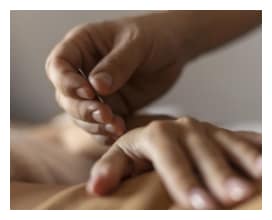
During an acupuncture session, a licensed acupuncturist will apply several thin needles into different areas of your skin—called acupuncture points. Your body contains thousands of these acupuncture points, which are all thought to be attached to pathways in the body called meridians. Each meridian is associated with an organ or system in the body, and an acupuncturist will target points and meridians based on the health issue you’re seeking treatment for.
The acupuncture points targeted for allergies will be different from those targeted for say, back pain or headaches.
Allergy symptoms
Depending on the substance involved, it can affect your airways, sinuses and nasal passages, skin, and digestive system.
Hay fever, also called allergic rhinitis, can cause:
- Sneezing
- Itching of the nose, eyes, or roof of the mouth
- Runny, stuffy nose
- Watery, red, or swollen eyes (conjunctivitis)
A food allergy can cause:
- Tingling in the mouth
- Swelling of the lips, tongue, face, or throat
- Hives
- Anaphylaxis
An insect sting allergy can cause:
- A large area of swelling (edema) at the sting site
- Itching or hives all over the body
- Cough, chest tightness, wheezing, or shortness of breath
- Anaphylaxis
A drug allergy can cause:
- Hives
- Itchy skin
- Rash
- Facial swelling
- Wheezing
- Anaphylaxis
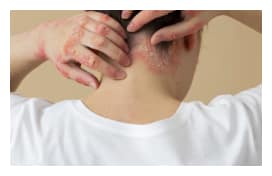
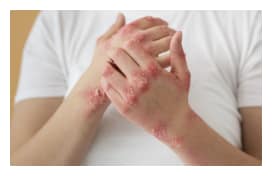
Atopic dermatitis, an allergic skin condition also called eczema, can cause skin to:
- Itch
- Redden
- Flake or peel
Does Acupuncture Help?
While some people see prolonged relief after only one session, others require multiple sessions over 4-6 weeks to realign your body’s immune system response.
What is the method of treatment of allergy?
While some people see prolonged relief after only one session, others require multiple sessions over 4-6 weeks to realign your body’s immune system response.
- Allergen avoidance. Your provider will help you take steps to identify and avoid your allergy triggers.
- Medications. Depending on your allergy, medications can help reduce your immune system reaction and ease symptoms.
- Immunotherapy
- Emergency epinephrine.
How many acupuncture treatments are needed for allergies?
Overall, your recommended session frequency is dependent on your personal needs and the severity of your allergy symptoms. While some people see prolonged relief after only one session, others require multiple sessions over 4-6 weeks to realign your body’s immune system response.
How to Get Acupuncture
If you’re interested in pursuing acupuncture for allergy treatment, discuss your interest with your primary care doctor, allergist, or an integrative medicine specialist to make sure it’s safe for you. Your provider can also help you find a licensed acupuncturist to ensure you’re getting safe, effective treatment.
What to Expect
When acupuncture is used for allergies, several meridians located on the front of the body may be targeted, including the lungs, colon, stomach, and spleen. These meridians are believed to circulate defensive qi, a type of energy linked to immunity.
Side effects may include:
Acupuncture points are situated in all areas of the body. Sometimes the appropriate points are far removed from the area of your pain.
Your acupuncture practitioner will tell you the general site of the planned treatment and whether you need to remove any clothing. A gown, towel, or sheet will be provided. You lie on a padded table for the treatment, which involves:

Pain and bruising. You may experience minor pain or discomfort at needle sites after an acupuncture treatment. You may also have light bleeding.
Injury. If performed improperly, needles could be pushed into the skin too deeply and injure an organ or lung.
Infection. Acupuncture needles are required to be sterile. If a practitioner uses unsterilized needles or reuses old needles, you could be exposed to life-threatening diseases.
Not all people are qualified candidates for acupuncture. Some conditions may cause complications, including:
- Bleeding disorders. If you are medically diagnosed with a bleeding disorder or are actively taking blood thinners, your needle sites may have difficulty healing.
- Pregnancy. If you are pregnant, consult your doctor before pursuing this alternative treatment. Some acupuncture techniques may trigger early labor and premature delivery.
- Heart issues. Some acupuncture techniques involve applying heat or electrical pulses to needle sites to stimulate nerve responses.
TREATMENT FOR ALLERGY
Allergy treatments include:
- Allergen avoidance. Your doctor will help you take steps to identify and avoid your allergy triggers. This is generally the most important step in preventing allergic reactions and reducing symptoms.
- Medications. Depending on your allergy, medications can help reduce your immune system reaction and ease symptoms.
- Immunotherapy. For severe allergies or allergies not completely relieved by other treatments, your doctor might recommend allergen immunotherapy. This treatment involves a series of injections of purified allergen extracts, usually given over a period of a few years. Another form of immunotherapy is a tablet that's placed under the tongue (sublingual) until it dissolves. Sublingual drugs are used to treat some pollen allergies.
- Emergency epinephrine. If you have a severe allergy, you might need to carry an emergency epinephrine shot at all times. Given for severe allergic reactions, an epinephrine shot (Auvi-Q, EpiPen, others) can reduce symptoms until you get emergency treatment.
- Household airborne allergy symptoms. Reduce your exposure to dust mites or pet dander by frequently washing bedding and stuffed toys in hot water, maintaining low humidity, regularly using a vacuum with a fine filter such as a high-efficiency particulate air (HEPA) filter, and replacing carpeting with hard flooring.
- Mold allergy symptoms. Reduce moisture in damp areas, such as your bath and kitchen, using ventilation fans and dehumidifiers. Fix leaks inside and outside your home.
Benefits of having Acupuncture
When acupuncture is used for allergies, several meridians located on the front of the body may be targeted, including the lungs, colon, stomach, and spleen. These meridians are believed to circulate defensive qi, a type of energy linked to immunity.
RESULTS
Allergies are common and don’t have life-threatening consequences for most people. People who are at risk of anaphylaxis can learn how to manage their allergies and what to do in an emergency.
Most allergies are manageable with avoidance, medications, and lifestyle changes.
FAQ'S

1Q. What is the best acupuncture point for allergy?
Background. Allergic rhinitis is a common respiratory disease. Acupuncture is very common in traditional Chinese medicine, and generally, the L120, ST2, and ST36 acupoints are targets in clinical practice.
2Q. What are the 7 acupuncture points?
Shenmen (HT7) means “Spirit Gate”, which means a gate/door to access our spirit/mind/emotion.
3Q. What are the 5 principles of acupuncture?
They are Actuation, Warming, Defense, Containment, and Transportation.
4Q. How long does acupuncture last?
An initial acupuncture session usually lasts 20 minutes to 1 hour and involves an assessment of your general health, medical history, and a physical examination, followed by the insertion of the acupuncture needles.
5Q.Which patient’s Acupuncture treatment is not recommended?
Two specific contraindications deserve special mention: patients with an AICD should avoid any electromagnetic stimulation that might be used as a form of acupuncture. Also, it is advised that patients that suffer or are predisposed to suffer from psychosis or delusions do not undergo acupuncture as well.