
Acupuncture for Stress
What is Acupuncture for Stress Relief?
Acupuncture stimulates the body’s natural feel-good hormones and reduces the power of stress hormones like cortisol. The studies show that acupuncture is an effective treatment for anxiety, with fewer side effects than medications.
SYMPTOM
Acupuncture involved mainly to relieve discomfort associated with a variety of diseases and conditions, including:
- Chemotherapy-induced and postoperative nausea and vomiting.
- Dental pain.
- Fibromyalgia.
- Headaches, including tension headaches and migraines.
- Labor pain.
- Lower back pain.
- Neck pain.
- Osteoarthritis.

How Does Acupuncture Help Relieve Stress?
Acupuncture is an effective treatment that involves the insertion of extremely fine needles into the skin at specific acupuncture points. It’s mostly known for relieving pain within the body, but acupuncture can also avoid stress and anxiety.
- Acupuncture for Stress and Anxiety
- Relieve Stress with DeCicco Acupuncture
Does Acupuncture Help?
Acupuncture points can help energy flow smoothly, and alleviate stress and anxiety altogether. It works to ease stress by releasing endorphins, which are natural pain-killing chemicals in the brain. Additionally, acupuncture improves the circulation of blood throughout the body, which oxygenates the tissues and cycles out cortisol and other unwanted chemicals. The calming nature of acupuncture also plays a factor in decreasing stress. The experience of acupuncture is quite relaxing.
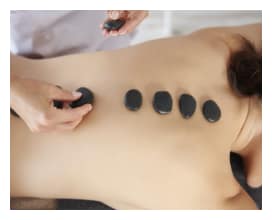

What is acupuncture treatment of stress?
“Acupuncture stimulates the body’s natural feel-good hormones and reduces the level of stress hormones like cortisol,” says Mathew Kulas, MA, RAc, an acupuncturist at Henry Ford Health. Studies show that acupuncture is an effective treatment for anxiety, with fewer side effects than medications.
What are some common methods of acupuncture?

According to the National Institute of Health (NIH), several studies suggest that acupuncture works particularly well on chronic pain such as back and neck pain; osteoarthritis/knee pain; and headache. It often reduces the incidence and severity of tension headaches and may prevent migraines.
- Heat (moxibustion)
- Pressure (acupressure)
- Friction.
- Suction (cupping)
- Impulses of electromagnetic energy.
How to Get Acupuncture
Choosing a practitioner
If you’re considering acupuncture, take the same steps you would choose a doctor:
- Ask people you trust for recommendations.
- Check the practitioner's training and credentials. Most states require that non-physician acupuncturists pass an exam conducted by the National Certification Commission for Acupuncture and Oriental Medicine.
- Interview the practitioner. Ask what's involved in the treatment, how likely it is to help your condition, and how much it will cost.
- Find out whether your insurance covers the treatment.
What to Expect
Acupuncture treatment
Each person who performs acupuncture has a unique style, often blending aspects of Eastern and Western approaches to medicine. To determine the type of acupuncture treatment that will help you the most, your practitioner may ask you about your symptoms, behaviors, and lifestyle. He or she may also closely examine:
- The shape, coating and color of your tongue
- The color of your face
- The strength, rhythm, and quality of the pulse in your wrist
An acupuncture session may take up to 60 minutes, although some appointments may be much shorter.
During the procedure
Acupuncture points are situated in all areas of the body. Sometimes the appropriate points are far removed from the area of your pain. Your acupuncture practitioner will tell you the general site of the planned treatment and whether you need to remove any clothing. A gown, towel, or sheet will be provided. You lie on a padded table for the treatment, which involves:

NEEDLE INSERTION.
Acupuncture needles are inserted into various depths at strategic points on your body. The needles are very thin, so insertion usually causes little discomfort. People often don’t feel them inserted at all. The typical treatment uses 5 to 20 needles. You may feel a mild aching sensation when a needle reaches the correct depth.
NEEDLE MANIPULATION.
Your practitioner may gently move or twirl the needles after placement or apply heat or mild electrical pulses to the needles.


NEEDLE REMOVAL.
In most cases, the needles remain in place for 10 to 15 minutes while you lie still and relax. There is usually no discomfort when the needles are removed.
Top 10 Benefits of Acupuncture for Stress and Pain
Acupuncture practitioners – sometimes called acupuncturists – use acupuncture to treat a wide range of health conditions. However, the use of acupuncture is not always based on rigorous scientific evidence.
The National Institute for Health and Care Excellence (NICE) provides guidelines for the NHS on the use of treatments and care of patients.
- Decreased Stress
- Relief from Headaches
- Improved Immune System
- Reduced Eye Strain
- Reduced Neck Tension, Back Pain, and Joint Pain in the Hands
- Increased Energy and Improved Mental Clarity
- Allergy Relief
- Improves Digestion
- Treats Repetitive Motion Injuries
- Reduced Nicotine Craving
RISKS
The risks of acupuncture are low if you have a competent, certified acupuncture practitioner using sterile needles. Common side effects include soreness and minor bleeding or bruising where the needles were inserted.
Before having acupuncture treatment, be sure to tell the practitioner if you:
Have a bleeding disorder
:
Your chances of bleeding or bruising from the needles may be increased if you have a bleeding disorder or if you’re taking blood thinners.
Have a pacemaker
:
Acupuncture that involves applying mild electrical pulses to the needles may potentially interfere with a pacemaker’s operation.
Are pregnant
:
Some acupuncture points are thought to stimulate labor, which could result in premature delivery.
RESULTS
The benefits of acupuncture are sometimes difficult to measure, but many people find it helpful as a means to control a variety of painful conditions. Acupuncture has few side effects, so it may be worth a try if you’re having trouble controlling pain with more-conventional methods.
FAQ For Acupuncture for Stress

1Q. Is acupuncture good for stress and depression?
In an 8-week acupuncture study of 151 men and women, researchers found that depressive symptoms improved significantly.
2Q. How long does it take for acupuncture to work for stress?
It works by assisting the nervous system to achieve balance and alleviating stress and anxiety symptoms. It’s been reported that acupuncture can give individuals rapid results, often working within only one to two sessions.
3Q. Can acupuncture improve mental health?
Acupuncture can benefit individuals living with high levels of stress and anxiety disorders. The stress-relieving elements of acupuncture help to also improve emotional regulation, and overall mood, and boost overall feelings of well-being.
4Q. How successful is acupuncture for anxiety?
The bottom line. Acupuncture may be an effective low-risk treatment option for anxiety.
5Q. What is the success rate of acupuncture?
92 percent success rate while morphine had a 78 percent success rate.